The long-lasting appeal of the nicknames led to the San Bernardino Highway becoming referred to as the 10, and the Hollywood Highway becoming the 101. Considering that you’ll be investing half your new life on the freeway, it’s excellent to understand the facts. Invite to Los Angeles hotels!.
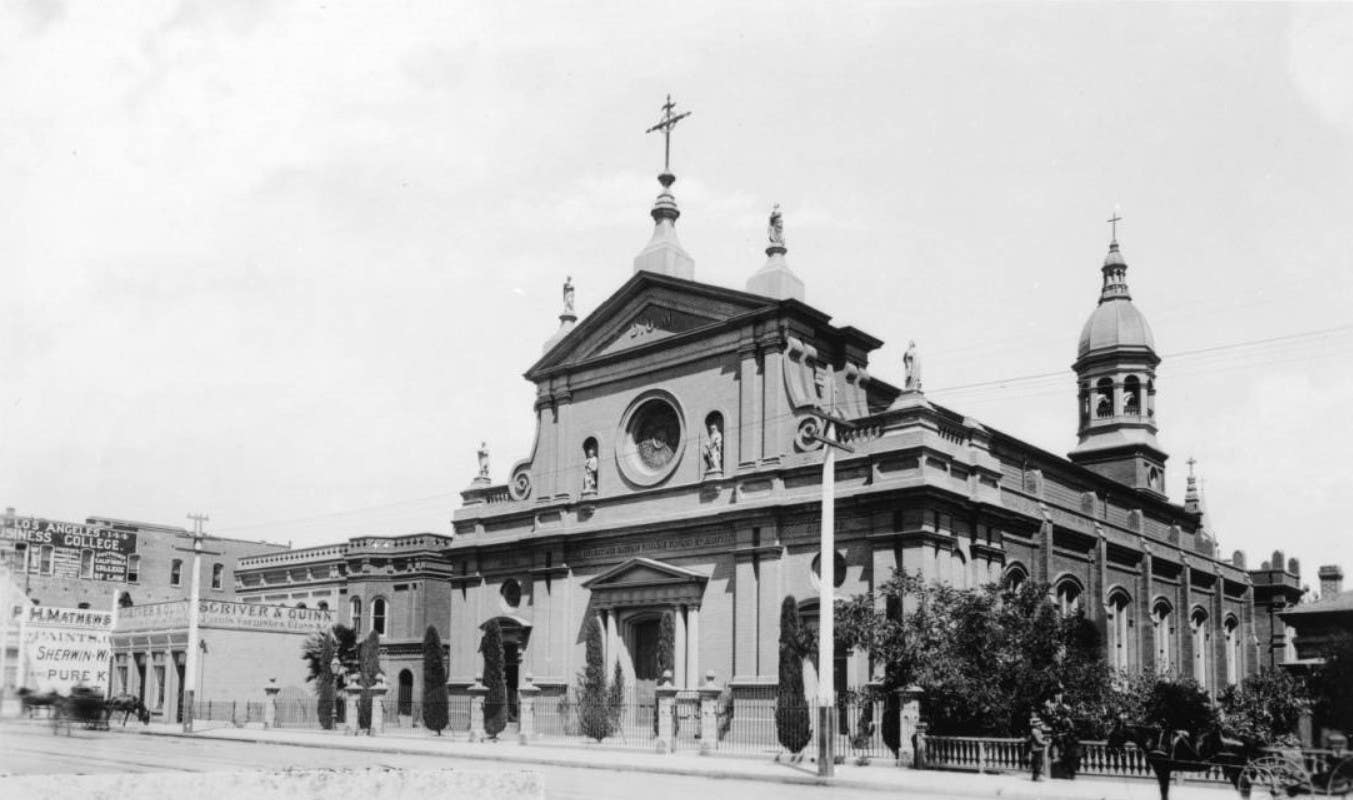
Location, Old Los Angeles El Aliso, giant sycamore, historical symbol of Los Angeles.The Covered Bridge (Macy Street)The Calaboose (original adobe prison)Federal government Home, house of the Asamblea when Los Angeles was the seat of government.Clocktower Courthouse,courtroom/theatre was on the upper floor, market was on the ground floor, on top were the clocktower, copper dome, and spire. St. Athanasius’ Episcopal Church, first Protestant church in Los Angeles, on Temple Roadway (” Salvation Street”).Mellus Block, Gen. Kearney’s headquartersGov. Downey’s houseOld phase roadway, to Cahuenga Valley & the back way to San Fernando.Wine Street,( Calle de las vides) Water wheel on the ZanjaMadre, Approximate run of the initial Los Angeles River bed, to current USC, through La Cienega( The Swamp) of Leimert Park, and out to sea at Ballona Creek and Venice Beach. Ryan, “The U.S. army swept into California with the property surveyor as.
well as the sword and rapidly equated Spanish and Mexican practices into cartographic representations. “Under colonial law, land held by beneficiaries was not disposable. It went back to the federal government. It was determined that under U.S. property law, lands owned by the city were non reusable. Likewise, the diseos( property sketches) held by locals did not safe title in an American court. California’s new military guv Bennett C. Riley ruled that land might not be sold that was not on a city map. In 1849, Lieutenant Edward Ord surveyed Los Angeles to validate and extend the streets of the city. Street names were altered from Spanish to English. Additional surveys and street plans changed the original prepare for the pueblo with a new civic center south of the Plaza and a new use of area. The fragmentation of Los Angeles property on the Anglo-Mexican axis had begun. Under the Spanish system, the homes of the power-elite clustered around the Plaza in the center of town. In the brand-new U.S. system, the authority lived in the borders.
The emerging minorities, including the Chinese, Italians, French, and Russians, joined with the Mexicans near the Plaza. In 1848, the gold found in Coloma first brought countless miners from Sonora in northern Mexico on the way to the gold fields .
Throughout the Gold Rush years in northern California, Los Angeles ended up being called the “Queen of the Cow Counties” for its function in supplying beef and other foods items to starving miners in the north. Amongst the cow counties, Los Angeles County had the biggest herds in the state followed carefully by Santa Barbara and Monterey Counties. With the temporary absence of a legal system, the city rapidly was immersed in lawlessness. A number of the New york city regiment dissolved at the end of the war and charged with maintaining order were punks and brawlers. They wandered the streets signed up with by gamblers, outlaws, and prostitutes eliminated of San Francisco and mining towns of the north by Watchfulness Committees or lynch mobs.
In 1856, Juan Flores threatened Southern California with a full-blown revolt. He was hanged in Los Angeles in front of3,000 spectators. Tiburcio Vasquez, a legend in his own time among the Mexican-born population for his daring feats against the Anglos, was recorded in present-day Santa Clarita, California, on May 14, 1874. He was condemned of two counts of murder by a San Jose jury in 1874, and was hanged there in 1875. Los Angeles had a number of active” Alertness Committees” during that period. In between 1850 and 1870, mobs performed approximately 35 lynchings of Mexicansmore than four times the number that took place in San Francisco. The worry of Mexican violence and the racially inspired violence caused on them further marginalized the Mexicans, considerably lowering their financial and political chances.
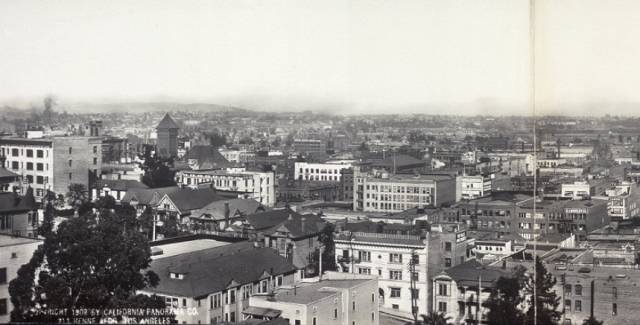
John Gately Downey, the seventh governor of California was sworn into office on January 14, 1860, thus becoming the very first governor from Southern California. Guv Downey was born and raised in Castlesampson, County Roscommon, Ireland, and pertained to Los Angeles in 1850. He was accountable for keeping California in the Union throughout the Civil War. Los Angeles was integrated as an U.S. city on April 4, 1850. 5 months later on, California was confessed into the Union.